SARA GUERNAY
Adjustable rings: choosing the shape, size and everyday fit
Bring the intended finger, a useful measurement and the shape you enjoy together before choosing your ring.
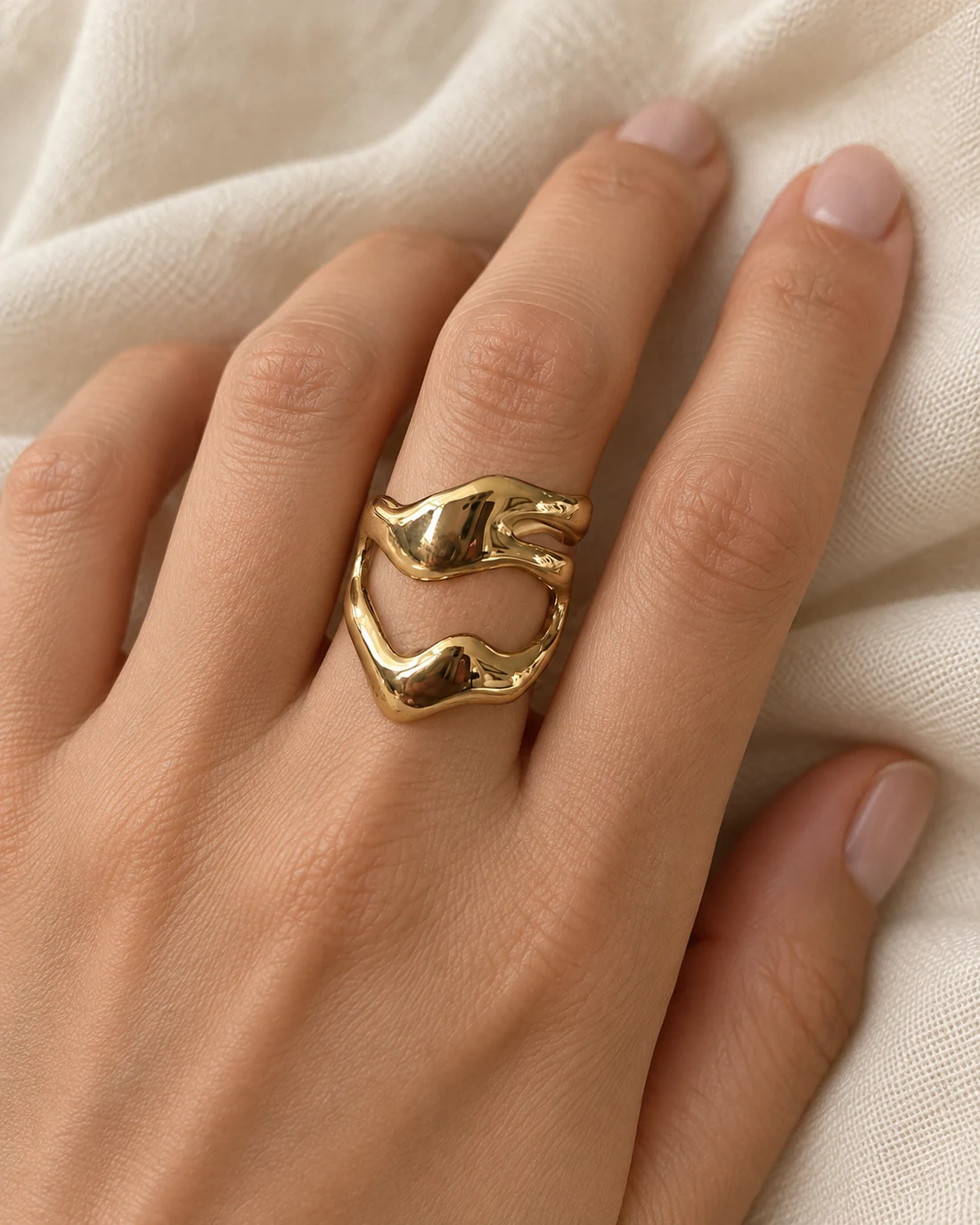
An adjustable ring offers a possibility of adaptation, but its appeal also comes from the outline, the finger you want to wear it on and the way it accompanies your gestures. Start with a ring that already fits comfortably, then compare the new design with a concrete reference.
The Sara Guernay rings explore sculpted waves, openwork leaves and intertwined ribbons. This guide helps you bring shape and fit together before choosing the finish and the piece that belongs in your own selection.
Understand what adjustable means for the model
An adjustable construction may allow the opening to be adapted according to the piece. It does not mean every model suits every hand, finger or size. Read the individual information and ask about a missing size range if it matters to your choice.
Handle the ring gently rather than repeatedly changing its shape or forcing it with an improvised tool. The aim is to find a comfortable position and enjoy the design, not to test the opening over and over.
Measure a ring that fits the intended finger
Measure its inside diameter without including the thickness of the metal. Lay it flat and compare the measurement with the table in the size guide. Recheck in good light if the reading is unclear. The guide is indicative; the particular model may need additional information.
Keep the same finger in mind when comparing options. A measurement for one finger is not automatically a reference for another. Think about nearby rings and the space their shapes need when you close the hand or pick up an object.
Compare a sculpted form with an openwork one
A sculpted piece can lead the composition of the hand. Vague Sculptée offers a direction to compare with a straight sleeve, rolled shirt cuff or soft knit. Look at the whole outfit as well as at the close-up photograph.
In an openwork ring, the spaces are part of the drawing. Feuilles combines two open leaves and the finish options shown on its page. Notice what attracts you: the outline, the rhythm between the elements or the way the skin appears through the design.
Intertwined lines create another rhythm
Rubans Entrelacés uses crossing lines around the hand. A design like this may provide enough presence as a single ring. Compare it with a quieter form before deciding whether you want several pieces on nearby fingers.
Picture the ring with clothes you already own. If it works with several familiar outfits, it has a clearer place in your day than a piece imagined only for one styling photograph.
Read the finish and the composition separately
When several finishes are available, select the one you want and check its label in the basket. Doré and Argenté describe an appearance here, not solid gold or solid silver. Read the material information for the chosen reference.
The finish guide offers ways to combine colours, and our 316L stainless steel guide helps you understand the announced material without replacing the product’s own characteristics.
Consider work, sleeves and a bracelet
Writing, using a keyboard or carrying a bag give practical clues about the composition you will enjoy. Try one ring before adding another, looking at their spacing during movement rather than only at a resting hand.
A bracelet can repeat a curve or finish without forming an identical set. The bracelet guide helps you compare the wrist’s different lines. A more expressive ring and quieter bracelet can leave each piece room to appear.
Choose with the useful information close at hand
Bring together the intended finger, a comfortable inside-diameter reference, the shape you like and the selected finish. Check the delivery and return information, and ask the Maison about any characteristic that remains unclear.
The three rings below provide different starting points. Explore the galleries and specifications, then choose the piece whose design and practical details fit the way you want to wear it.
Pieces to discover for your selection
vague sculptée ring
Explore the views, composition and available options on the product page.
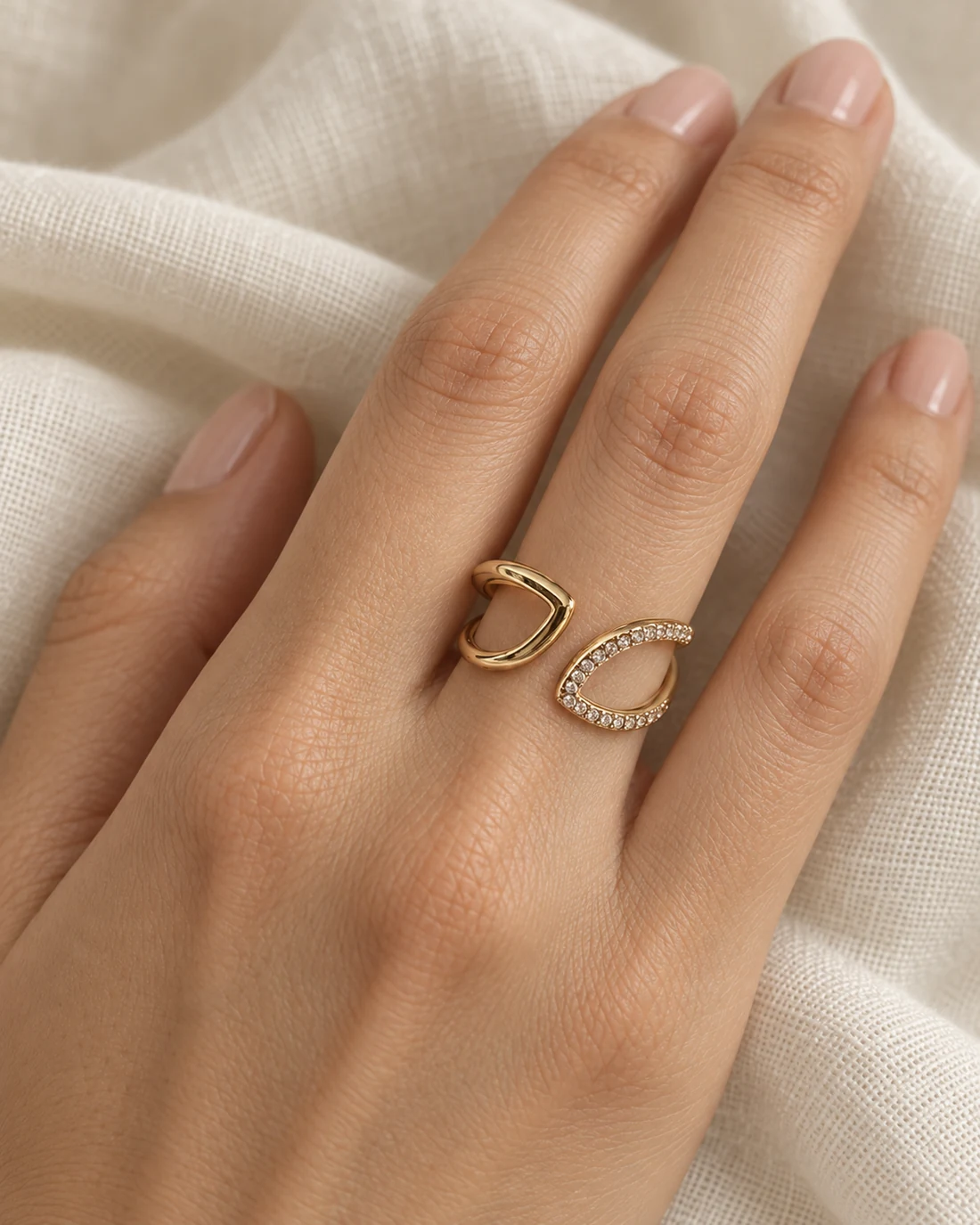
Feuilles ring
Explore the views, composition and available options on the product page.
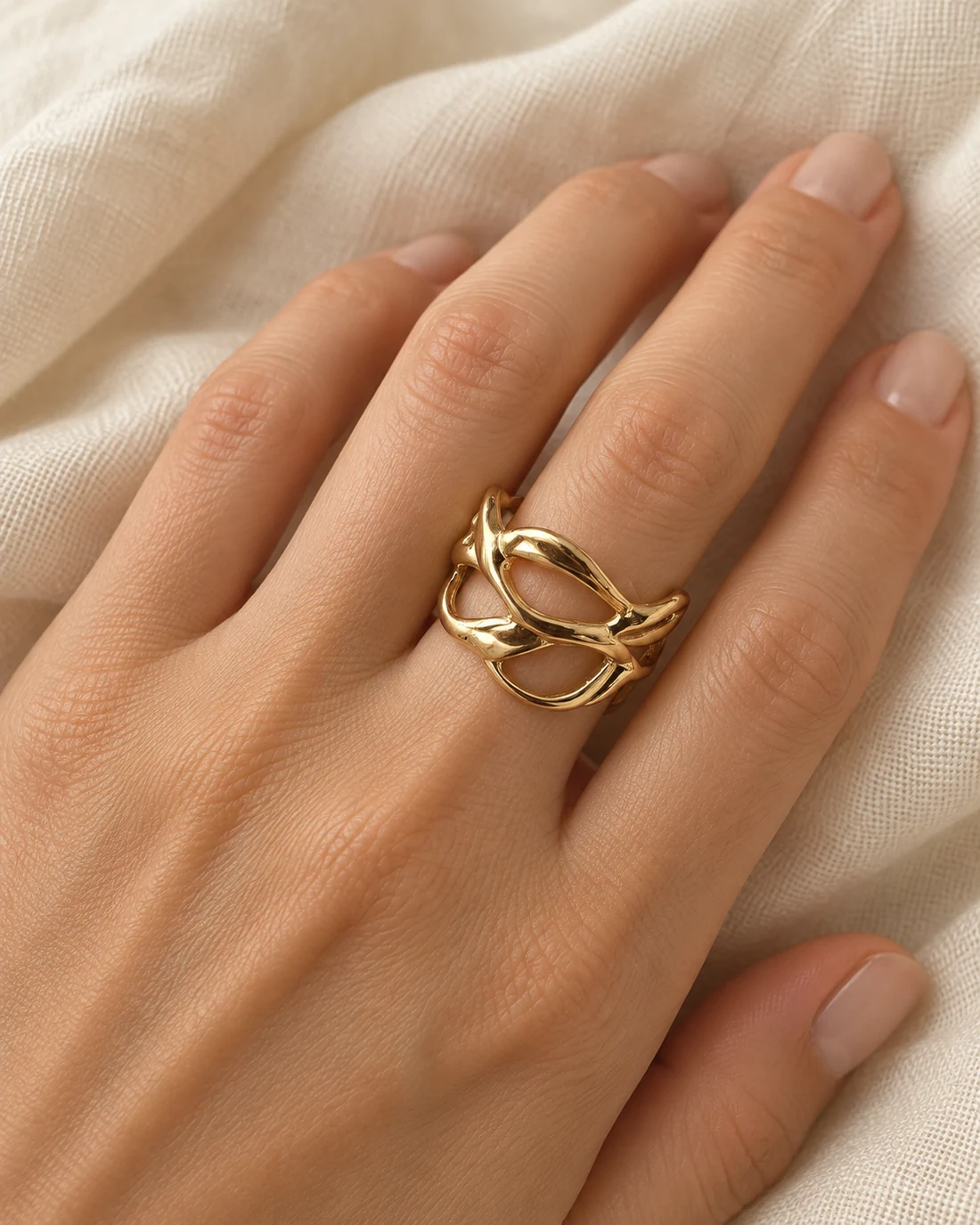
rubans entrelacés ring
Explore the views, composition and available options on the product page.